
Small businesses in 2026 operate in an environment where technology is no longer optional or supportive—it is the core infrastructure. Whether it is a retail shop, service-based business, online store, or hybrid model, digital tools now decide how efficiently a business runs, how well it understands customers, and how quickly it can grow.
Earlier, technology was seen as something only large companies could afford or manage. Today, that gap has almost disappeared. Most essential tools are cloud-based, subscription-driven, and designed for non-technical users. This shift has created a situation where a small business owner with the right tools can operate at the same efficiency level as much larger competitors.
What has changed most is the integration of systems. Instead of using separate tools for billing, marketing, customer management, and inventory, modern businesses now use connected ecosystems where data flows automatically between functions. This reduces manual work and improves decision-making speed.
Understanding the essential technologies is not about collecting tools randomly. It is about building a system where every part of the business is connected, measurable, and optimized. The businesses that succeed are not necessarily those with the most tools, but those that use the right tools in the right way.
Core Digital Systems That Power Modern Small Businesses
At the center of every modern small business is a digital operational system that handles daily functions like sales, billing, inventory, and customer tracking. This is often built using point-of-sale systems, cloud-based dashboards, or integrated business platforms.
Point-of-sale systems have evolved far beyond simple billing machines. In 2026, they act as complete business management tools. They track inventory in real time, generate sales reports, manage discounts, and even analyze customer purchase behavior. For retail and food businesses, these systems are the backbone of daily operations.
Customer relationship management systems are another essential layer. These tools allow businesses to store customer data, track interactions, and personalize communication. Instead of treating every customer the same, businesses can now segment audiences based on buying habits, frequency, and preferences. This enables targeted offers and improves customer retention.
Accounting and finance tools have also become fully automated. Small business owners can now track income, expenses, taxes, and profit margins in real time. This eliminates the need for manual bookkeeping and reduces errors. Financial clarity is one of the most important advantages of digital transformation because it helps businesses make informed decisions about pricing, expansion, and investment.
Inventory management systems are especially critical for product-based businesses. These tools prevent stock shortages and overstocking by tracking sales patterns and generating automatic alerts. In advanced setups, they can even predict future demand based on historical data and seasonal trends. This reduces waste and improves cash flow.
Cloud storage and collaboration tools also play an important role. Business documents, product catalogs, supplier information, and customer records can be accessed from anywhere. This is especially useful for businesses with multiple employees or remote operations. It ensures continuity and reduces dependency on physical records.
Together, these systems form the operational backbone of a modern small business. They replace manual processes with structured, automated workflows that improve efficiency and reduce operational stress.
Marketing, Sales, and Customer Engagement Technologies
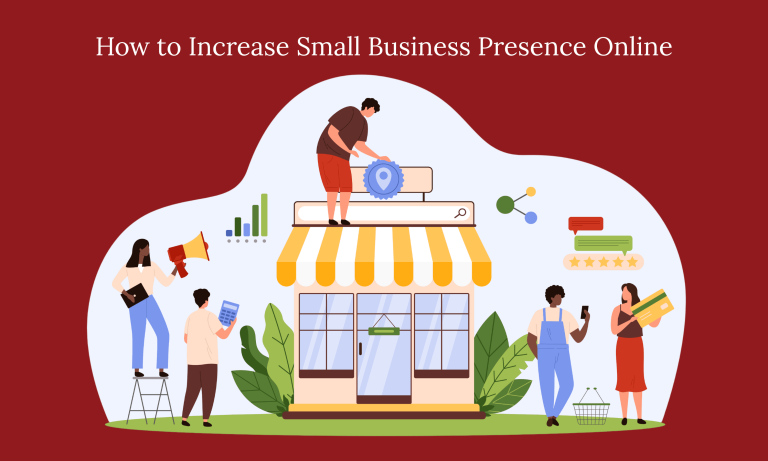
Marketing has become one of the most technology-driven aspects of small business growth. Digital platforms now provide precise targeting, performance tracking, and automated optimization, making it possible for even small businesses to compete with large brands.
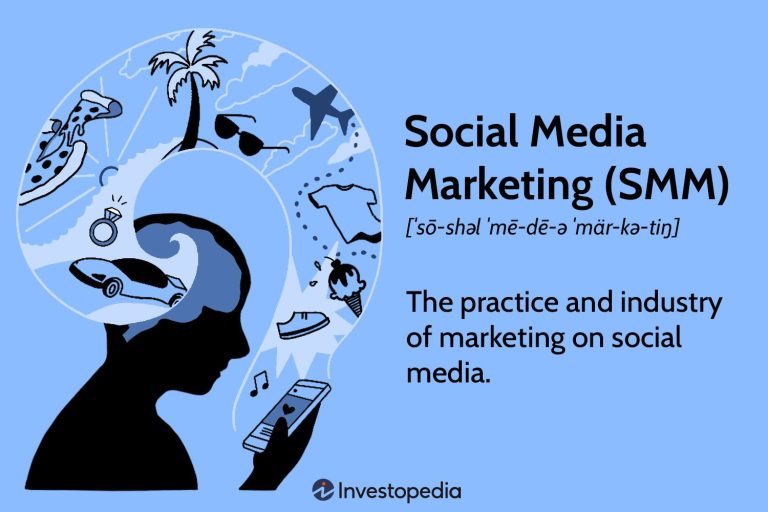
Social media management tools are central to this transformation. These platforms allow businesses to schedule posts, analyze engagement, and manage multiple accounts from a single dashboard. Consistent content creation is essential for visibility, and these tools make it easier to maintain regular activity without requiring a large marketing team.
Search engine optimization tools help businesses improve their visibility on platforms like Google. By analyzing keywords, competition, and content performance, these tools guide businesses in creating content that attracts organic traffic. This is especially important for long-term growth because it reduces dependence on paid advertising.
Advertising platforms have become highly automated. Businesses can now run targeted campaigns based on demographics, interests, behavior, and location. Machine learning algorithms optimize ad performance in real time, ensuring that marketing budgets are used efficiently. This allows small businesses to achieve results that were previously only possible with large advertising budgets.
Email and messaging automation tools are also widely used for customer engagement. Businesses can send personalized messages, promotional offers, and updates without manual effort. These systems help maintain consistent communication with customers, which increases loyalty and repeat purchases.
Content creation tools powered by artificial intelligence have also become essential. They help generate product descriptions, social media posts, images, and even video content. This reduces the time and cost required to maintain a strong digital presence.
Customer feedback and review management systems are equally important. They allow businesses to monitor customer satisfaction, respond to reviews, and improve service quality. Positive reviews directly influence new customer decisions, making reputation management a critical part of marketing strategy.
These technologies work together to create a continuous marketing loop where businesses attract customers, engage them, and retain them using data-driven strategies.
Automation, AI, and the Future-Ready Business Ecosystem
Automation is one of the most powerful forces transforming small businesses in 2026. It reduces manual workload, increases efficiency, and allows owners to focus on strategic growth instead of repetitive tasks.
Workflow automation tools connect different parts of a business. For example, when a customer places an order, the system can automatically update inventory, send confirmation messages, generate invoices, and notify delivery partners. This reduces delays and minimizes human error.
Artificial intelligence plays a growing role in decision-making. AI systems analyze sales data, customer behavior, and market trends to provide actionable insights. These insights help business owners decide what products to stock, when to run promotions, and how to adjust pricing strategies.
Chatbots and virtual assistants have become standard tools for customer support. They handle common queries, assist with order tracking, and provide product recommendations. This ensures that customers receive instant responses, improving satisfaction and reducing workload for staff.
Predictive analytics is another important advancement. Instead of reacting to business performance after it happens, owners can now anticipate future trends. For example, AI can forecast which products will be in high demand during certain seasons or events, allowing businesses to prepare in advance.
Payment systems have also become more advanced and secure. Digital wallets, instant transfers, and integrated checkout systems ensure smooth transactions. These systems reduce friction in the buying process and increase conversion rates.
Cybersecurity tools are also essential in a digital-first business environment. As businesses store more data online, protecting customer information and financial records becomes critical. Modern security tools offer encryption, fraud detection, and real-time monitoring to prevent threats.
The future-ready business ecosystem is built on automation, intelligence, and integration. Every tool communicates with others, creating a seamless flow of data and operations. This reduces complexity and increases scalability.
Small business owners who adopt these technologies early gain a significant advantage. They operate more efficiently, make better decisions, and respond faster to market changes. In a competitive global environment, technology is not just a support system—it is the foundation of sustainable growth.