
Traditional shops have long depended on location, walk-in customers, and local reputation. A customer knew a store because it was nearby, familiar, and part of the neighbourhood routine. But in 2026, that model alone is no longer enough to ensure steady growth. Customer behavior has changed, and the buying journey now begins online even when the final purchase happens offline.
A hybrid business model combines the strengths of both physical and digital retail. The physical shop continues to serve local walk-in customers, while digital channels expand reach, improve visibility, and create new sales opportunities. Instead of replacing the traditional shop, the hybrid approach enhances it.
This transformation is not about becoming a full e-commerce brand overnight. It is about gradually adding digital layers to an existing business so that it becomes discoverable, accessible, and efficient across multiple channels. A small grocery store, clothing shop, pharmacy, or electronics outlet can all evolve into hybrid businesses without losing their original identity.
The biggest shift in this model is visibility. Earlier, a shop depended on foot traffic. Now, customers often search online before visiting a store. If a business does not appear in digital spaces, it risks becoming invisible to a large portion of potential customers, even within its own locality.
The hybrid model also changes customer expectations. People now expect to check product availability online, compare prices, ask questions digitally, and sometimes even place orders before stepping into the store. A traditional-only setup struggles to meet these expectations, while a hybrid model adapts naturally.
Building the Digital Layer Without Disrupting the Physical Store
The first step in transforming a traditional shop into a hybrid business is building a simple digital presence. This does not require advanced technical knowledge or large investment. It begins with creating visibility on platforms where customers already spend time.
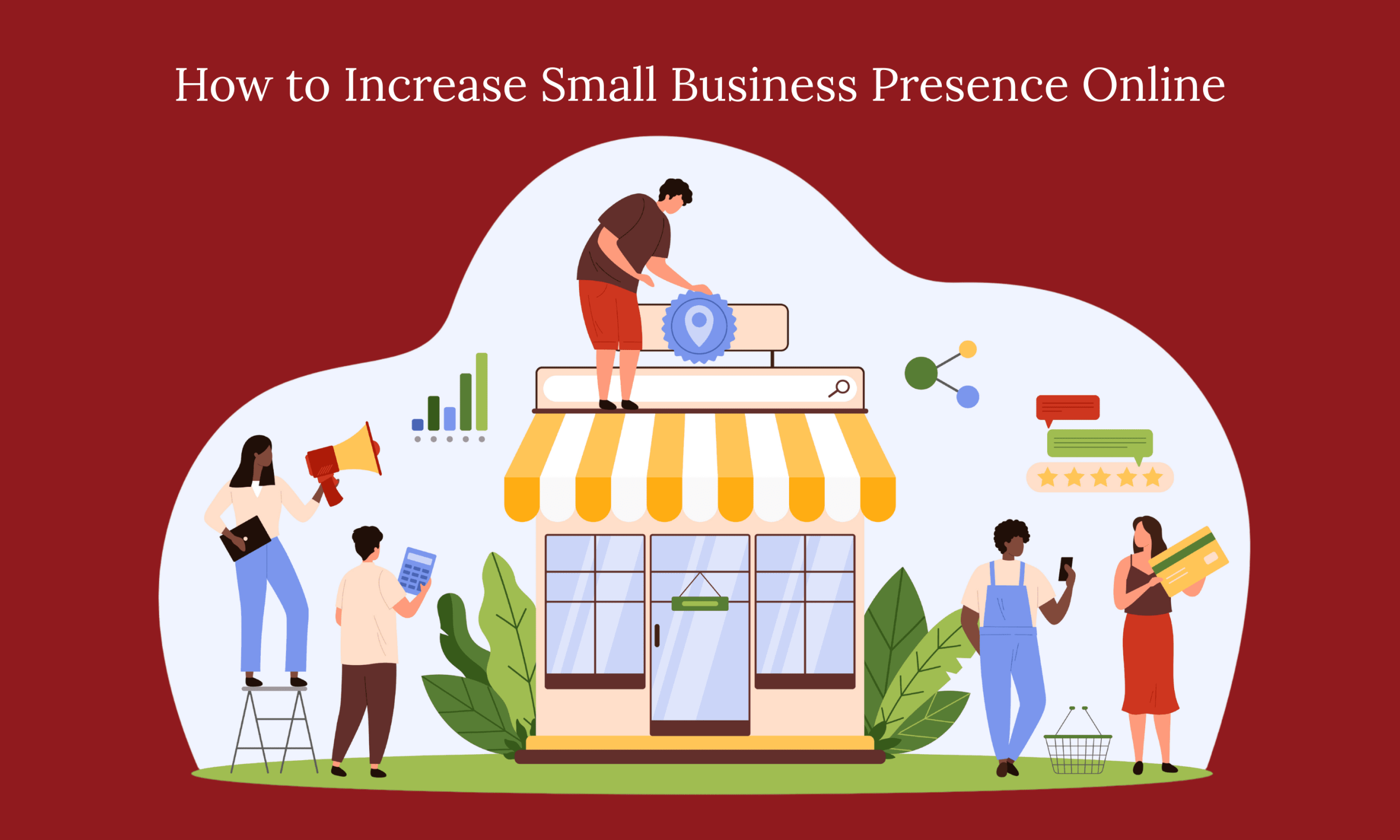
A basic online identity often includes a Google Business Profile, social media pages, and messaging-based catalogs. These tools help customers find store location, contact details, operating hours, and product availability. For many small businesses, this alone significantly increases inquiries and foot traffic.
The next layer is product visibility. Instead of relying only on physical browsing, shops can showcase their products online through photos, short videos, or digital catalogs. This allows customers to explore offerings before visiting the store. In many cases, customers decide to visit only after seeing products online, which increases the likelihood of purchase.
Messaging platforms like WhatsApp and similar tools play a major role in hybrid transformation. They act as a bridge between offline and online experiences. Customers can ask questions, check availability, place orders, and receive updates without physically visiting the shop. This improves convenience while maintaining a personal connection.
Digital payment systems are another essential component. QR codes, UPI systems, and card payments reduce dependence on cash and simplify transactions. They also create automatic records, making financial tracking easier and more transparent for business owners.
Inventory management tools help connect physical stock with digital demand. Even simple systems allow shop owners to track what is available in real time. This prevents situations where online customers order products that are already out of stock in-store. In more advanced setups, inventory is updated automatically as sales occur both online and offline.
Delivery integration completes the digital layer. By partnering with local delivery services, shops can fulfill online orders without managing logistics themselves. This allows even small stores to serve customers beyond walking distance, effectively expanding their market area.
The key principle during this stage is balance. The physical store should not be neglected while building the digital layer. Instead, both should support each other. Online visibility drives more foot traffic, while physical presence builds trust for online orders.
Creating a Unified Customer Experience Across Online and Offline Channels
The success of a hybrid business depends on how smoothly customers move between digital and physical experiences. A disconnected system creates confusion, while a unified experience builds trust and loyalty.
One of the most important elements of this integration is consistency. Prices, product availability, and offers should remain aligned across both online and offline channels. Customers often compare information before making decisions, and inconsistencies can reduce credibility.
Customer interaction also needs to be unified. Whether a customer visits the shop or sends a message online, the experience should feel connected. Many businesses now maintain shared customer records so that preferences and purchase history are available across channels. This enables personalized service regardless of where the interaction begins.
Marketing strategies also evolve in a hybrid model. Instead of relying only on physical signage or local advertising, businesses can use digital content to attract both online and offline customers. Social media posts, short videos, and local online ads can drive awareness, while in-store experiences reinforce trust.
Loyalty programs work especially well in hybrid systems. Customers can earn rewards whether they shop online or in person, creating a seamless experience. This encourages repeat purchases and strengthens long-term relationships.
Customer feedback becomes more structured in a hybrid model. Online reviews, messaging feedback, and in-store conversations all contribute to improving service quality. Businesses that actively respond to feedback tend to build stronger reputations across both channels.
The hybrid model also enables smarter decision-making. Data from online interactions can reveal customer preferences, while offline sales show actual purchase behavior. Combining both gives a complete picture of business performance, helping owners adjust inventory, pricing, and marketing strategies more effectively.
Over time, a traditional shop that adopts hybrid practices becomes more resilient. It is no longer dependent on a single source of income. Even if physical foot traffic slows, digital channels continue to generate sales. Similarly, strong offline presence builds trust that supports online growth.
This transformation is not about abandoning tradition but enhancing it with modern tools. A well-executed hybrid business becomes more flexible, more visible, and more competitive in an increasingly digital marketplace where customers expect both convenience and human connection.