
Every small business begins in a very unglamorous way—usually as a simple observation of a problem or an opportunity. It could be noticing that people in a neighbourhood struggle to find fresh snacks after evening hours, or realizing that customized gift items are expensive and slow to deliver, or even seeing that a certain service is missing in a local area. The idea stage is not about complexity; it is about clarity.
In 2026, starting a small business does not require a perfect idea. It requires a workable idea that solves a specific need for a specific group of people. The more focused the idea is, the easier it becomes to test and launch with low investment. Instead of thinking in terms of “big market domination,” successful founders now think in terms of “small but profitable starting points.”
Validation is the first real step after identifying an idea. This means checking whether people actually want what is being offered. Earlier, validation required surveys or expensive research. Now it can be done through simple methods like posting product previews on social media, talking directly to potential customers, or listing a basic version of the product on a marketplace to see interest levels. Even a small number of early responses can reveal whether the idea has potential or needs adjustment.
Low investment businesses succeed when they avoid unnecessary complexity in the beginning. Many new entrepreneurs fail not because their idea is bad, but because they try to build too much too early. A basic version of the business is often enough to start generating income and learning from real customers.
The idea stage also includes deciding what type of business model fits the concept. Some ideas are better suited for online sales, some for local delivery, and some for physical storefronts. In many cases, a hybrid model works best even at the beginning, where online presence supports offline activity and vice versa.
Clarity at this stage reduces financial risk later. A business that knows exactly what it is selling, who it is selling to, and how it will deliver value is already ahead of most beginners who start without structure.
Building a Lean Setup Without Overspending
Once the idea is clear, the next challenge is building the actual business without burning money. Low investment does not mean no investment; it means spending only on what directly contributes to revenue generation. In 2026, technology has made this much easier because many tools that were once expensive are now affordable or even free at the basic level.
The first major component is the product or service setup. Instead of buying large inventory or setting up a fully stocked store, many small businesses now start with limited stock or pre-order systems. This reduces risk and prevents money from being locked in unsold goods. Some businesses even start by acting as resellers or aggregators before moving into manufacturing or bulk purchasing.
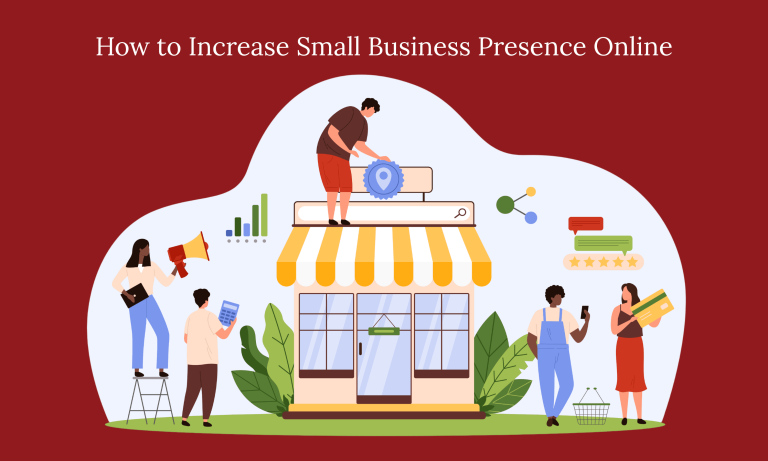
The next important element is the digital storefront. A physical shop is not mandatory at the beginning. Many businesses start with simple online platforms such as social media pages, WhatsApp business catalogs, or basic websites. These platforms act as the first point of contact between the business and customers. A clean product listing, clear pricing, and responsive communication are often enough to start generating sales.
Branding also plays a major role even in low investment setups. A simple name, consistent visual style, and clear messaging help build trust. Customers are more likely to buy from a business that looks organized, even if it is small. Branding does not require heavy design budgets; it requires consistency and clarity.
Technology helps reduce operational costs significantly. Free or low-cost tools can manage billing, customer communication, and inventory tracking. Payment systems like digital wallets and QR codes remove the need for complex banking setups. Many entrepreneurs now operate entire businesses using just a smartphone in the early stages.
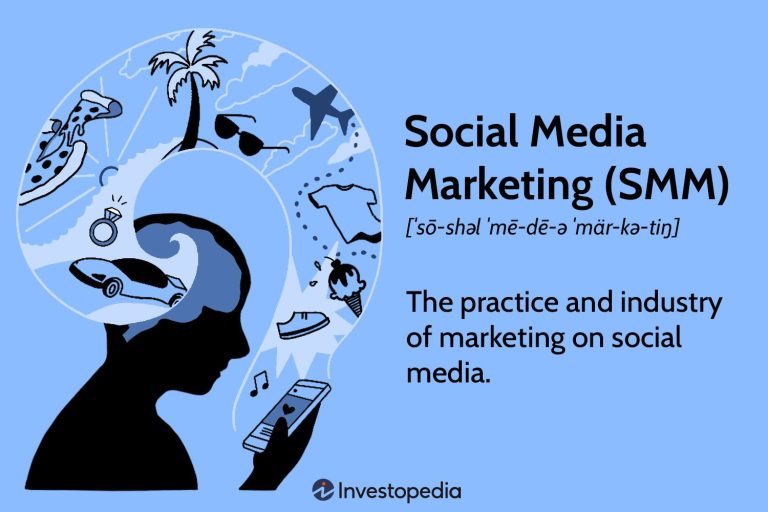
Marketing in a low investment business relies heavily on organic reach. Instead of spending heavily on ads, small businesses now use content-based marketing. Short videos, product demonstrations, customer testimonials, and behind-the-scenes content help build trust and visibility. Social media algorithms often reward consistent content more than paid promotion in the early stages.
Another important aspect is supplier and logistics management. Instead of investing in storage space, many businesses work directly with suppliers who can ship products as needed. Local courier services and delivery aggregators make it possible to fulfill orders without owning a delivery fleet. This reduces fixed costs and increases flexibility.
The lean setup stage is all about reducing unnecessary pressure. Every expense must have a clear purpose, whether it improves visibility, improves customer experience, or directly contributes to sales. Anything outside these categories can usually be delayed until the business starts generating consistent income.
Growing from First Sale to a Sustainable Storefront
The transition from first sale to a stable storefront is where many small businesses either succeed or struggle. The first few customers are not just sources of revenue; they are sources of learning. Their feedback helps refine pricing, product quality, delivery speed, and communication style. Businesses that listen closely at this stage grow faster because they adapt early.
As sales begin, the focus shifts from validation to consistency. It is no longer about whether people will buy, but about how to ensure they keep buying. This is where customer experience becomes critical. Fast responses, reliable delivery, and honest communication build long-term trust. In small businesses, trust is often more valuable than advertising.
Reinvestment is another key factor in this stage. Instead of withdrawing early profits, successful entrepreneurs reinvest in better tools, slightly larger inventory, improved packaging, or better marketing. Even small improvements in these areas can significantly increase customer retention and sales volume.
As the business grows, it becomes important to organize operations. What started as informal tracking in notebooks or messages needs to evolve into structured systems. Digital tools for order management, inventory tracking, and customer databases help prevent confusion and errors as volume increases.
At this point, businesses often start building a physical presence if they began online, or expanding online presence if they started offline. A storefront is not just a place to sell; it becomes a trust symbol. Customers often feel more confident when they know a business has a real, accessible location.
Scaling also introduces the need for partnerships. This can include working with local influencers, delivery partners, suppliers, or even other small businesses. Collaboration helps expand reach without heavy investment.
Over time, the business evolves from a single idea into a structured system. What began as a small experiment becomes a predictable source of income. The key difference between businesses that grow and those that stagnate is not just the idea itself, but how quickly and effectively they adapt to real customer behavior and market feedback.