
The gap between small businesses and large brands is no longer defined only by money, infrastructure, or scale. In 2026, the real difference is how effectively each uses digital tools to understand customers, deliver value, and adapt quickly. While big brands still have advantages in logistics and capital, small businesses now have access to the same digital ecosystems that were once exclusive to enterprise companies.
Digital transformation has reshaped competition itself. A small business operating from a single location can now reach global audiences, run targeted marketing campaigns, analyze customer behavior, and automate operations at a fraction of traditional costs. This shift has created a more balanced marketplace where agility often beats size.
What makes this change even more important is the speed of execution. Large companies often have layers of approval, slower decision-making cycles, and rigid structures. Small businesses, on the other hand, can test ideas quickly, adapt pricing instantly, and change marketing strategies overnight. Digital tools amplify this flexibility, turning it into a competitive advantage.
Customers today are also less brand-loyal than before. They are more influenced by convenience, personalization, and experience. This means a small business that uses digital tools effectively can often outperform a large brand in specific niches or local markets. The competition is no longer about who is bigger, but who is smarter in execution.
How Digital Tools Help Small Businesses Operate Like Large Enterprises
One of the most powerful changes in modern business is the availability of enterprise-level tools at low or zero cost. Cloud-based software, AI systems, and automation platforms have made it possible for small businesses to operate with efficiency that was once only achievable by large corporations.
Customer relationship management is one of the first areas where digital tools create impact. Even simple CRM systems allow small businesses to track customer interactions, purchase history, and preferences. This enables personalized communication, which is a major factor in customer retention. Instead of treating all customers the same, businesses can now tailor offers and messages based on behavior and history.
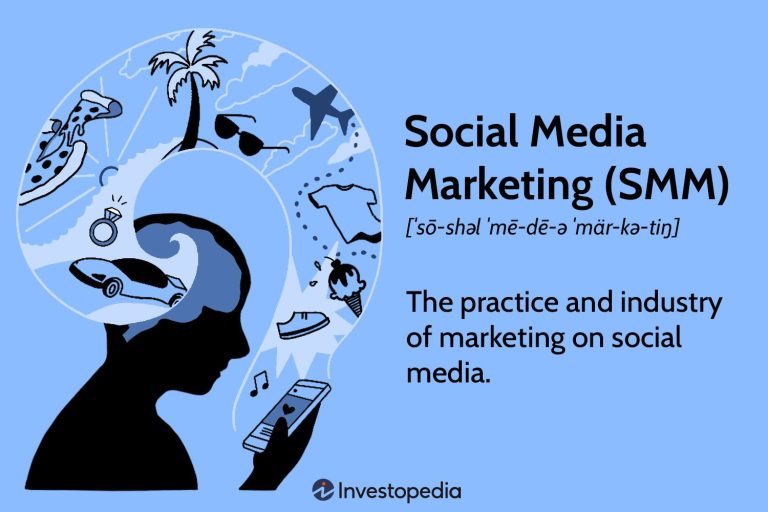
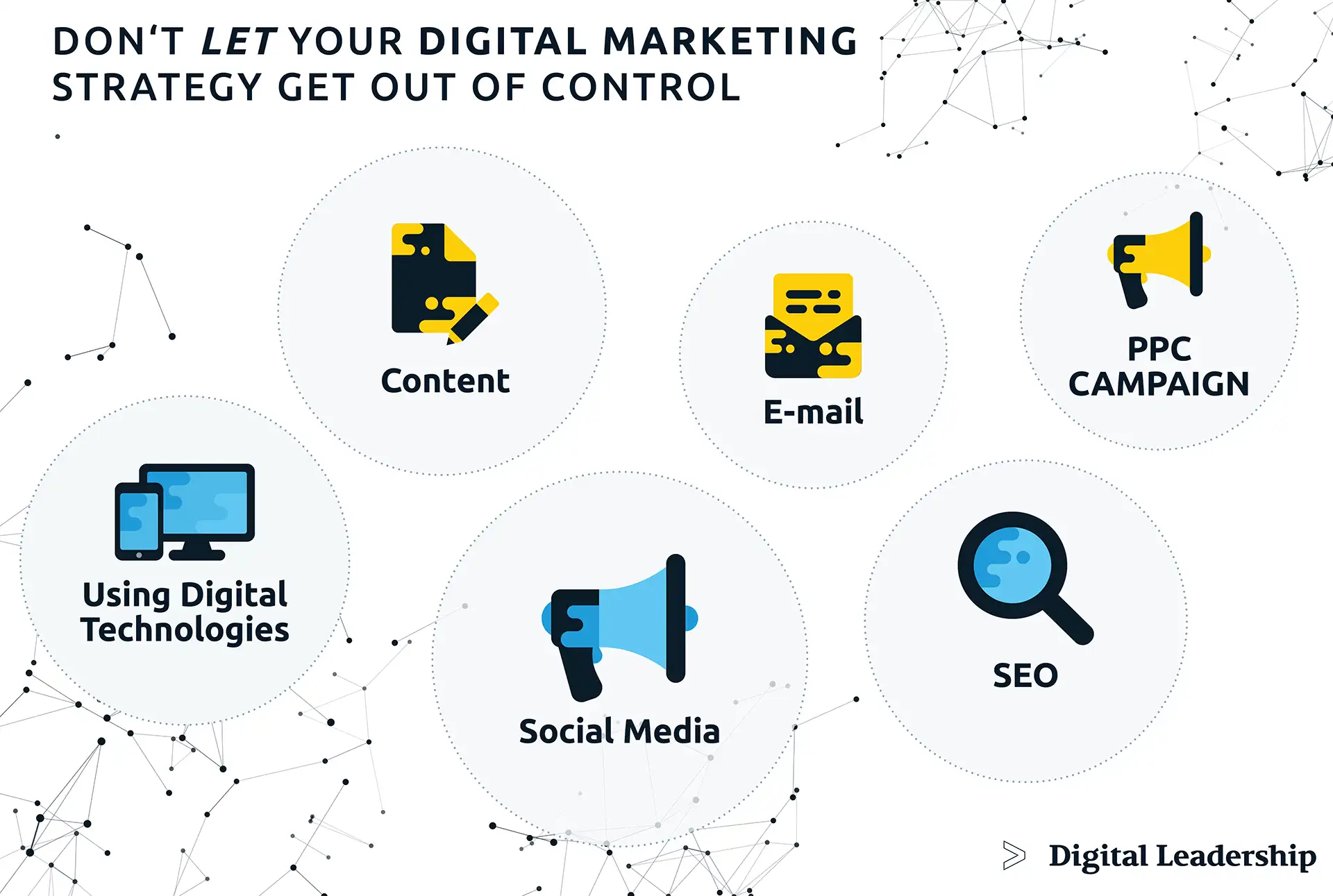
Marketing has also become highly data-driven. Social media platforms, search engines, and advertising networks provide detailed targeting options. Small businesses can now reach very specific audiences based on interests, location, and behavior. This level of precision ensures that even small budgets can produce meaningful results. Unlike traditional advertising, digital marketing allows constant optimization based on performance data.
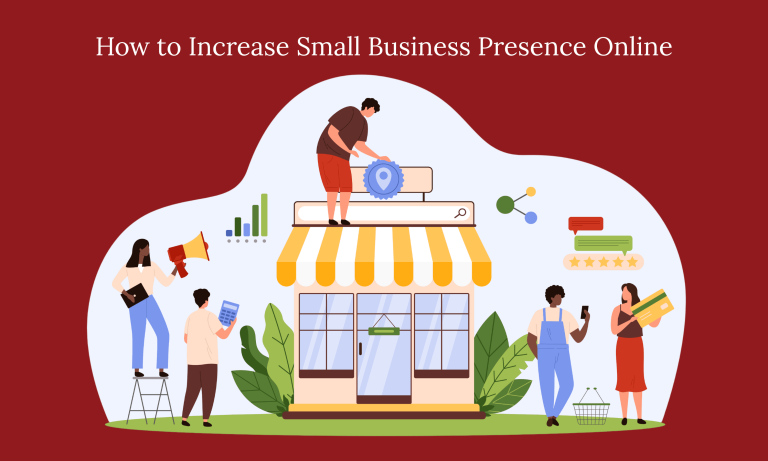
E-commerce platforms and website builders have removed the need for expensive technical development. A small business can now launch a fully functional online store within hours. These platforms include payment integration, inventory tracking, and analytics dashboards, making it easier to manage operations without technical expertise.
Automation tools are another major advantage. Tasks such as order confirmation, customer support replies, inventory updates, and marketing emails can now be automated. This reduces manual workload and allows small teams to focus on strategy and customer experience. Automation also reduces human error, improving reliability.
Data analytics plays a central role in decision-making. Small businesses can now track which products sell best, which marketing channels perform well, and how customers behave on their websites. This real-time insight allows for faster adjustments compared to traditional retail models. Decisions are no longer based on guesswork but on measurable patterns.
Even financial management has become more efficient. Digital accounting tools help track income, expenses, taxes, and profitability in real time. This improves financial clarity and reduces dependency on external accountants for basic operations. It also helps small businesses plan growth more effectively.
Building Competitive Advantage Through Speed, Personalization, and Niche Focus
While digital tools provide access to similar capabilities, the real advantage for small businesses lies in how they use them. Competing with big brands is not about replicating their scale but about leveraging strengths that large organizations struggle to match.
Speed is one of the most important advantages. Small businesses can launch new products, adjust prices, or modify campaigns almost instantly. This allows them to respond quickly to market trends or customer feedback. In contrast, large brands often require weeks or months to implement similar changes due to internal processes.
Personalization is another powerful differentiator. Digital tools allow small businesses to interact directly with customers and build strong relationships. Personalized recommendations, direct messaging, and tailored offers create a sense of connection that large brands often struggle to replicate at scale. Customers increasingly value this personal touch over generic corporate messaging.
Niche focus is perhaps the most strategic advantage. Instead of trying to serve everyone, small businesses can focus on specific markets, communities, or product categories. Digital tools help them identify and understand these niches deeply. By becoming highly specialized, small businesses can dominate smaller segments even when competing against global brands.
Content creation also plays a major role in building visibility. Through videos, blogs, and social media posts, small businesses can tell their story in a way that feels authentic and relatable. This storytelling approach builds trust and emotional connection, which are powerful drivers of customer loyalty.
Community building is another emerging advantage. Small businesses can create loyal customer groups through messaging platforms, social media communities, and loyalty programs. These communities not only generate repeat business but also provide organic marketing through word-of-mouth and sharing.
The combination of these factors creates a new competitive landscape. Small businesses are no longer disadvantaged by size alone. With the right digital tools and strategies, they can operate with efficiency, intelligence, and customer focus that rivals or even exceeds large brands in specific areas.