
Shopping businesses are no longer built only on physical products and human intuition. In 2026, the foundation of modern retail is shifting toward intelligent systems that learn from customer behavior in real time. Across global markets, from small local stores to large e-commerce platforms, artificial intelligence and data analytics are quietly reshaping how customers discover, evaluate, and purchase products.
The idea of “smart shopping” goes beyond online convenience. It refers to a system where every interaction—searching for a product, clicking on an item, adding to cart, abandoning a purchase, or leaving a review—feeds into a larger intelligence layer. This layer continuously improves the shopping experience for each customer. Instead of a one-size-fits-all approach, businesses are now building personalized journeys that adapt dynamically.
In global retail ecosystems, competition is no longer just about price or product availability. It is about relevance. A customer in New York, Mumbai, or London may see completely different product recommendations even within the same platform because AI systems are analyzing local trends, cultural preferences, purchase history, and even seasonal behavior patterns.
This transformation is not limited to big corporations. Small and medium businesses around the world are also adopting AI tools that were once considered advanced or expensive. From automated product descriptions to intelligent pricing strategies, technology is becoming an equalizer in global commerce. The result is a retail environment where agility and data awareness matter more than size alone.
At the center of this shift is the customer experience itself. Shopping is becoming less about searching and more about being guided. Instead of browsing endless catalogs, customers are increasingly presented with curated options that match their intent. This reduces decision fatigue and increases satisfaction, which is becoming a key metric in modern retail success.
How Artificial Intelligence Is Reshaping Retail Decision-Making
Artificial intelligence is transforming the internal decision-making systems of shopping businesses at every level. Traditionally, retail decisions were based on past sales reports, intuition, and seasonal patterns. Now, AI systems analyze massive volumes of real-time data to guide decisions instantly.
One of the most visible changes is in product recommendations. Recommendation engines now go far beyond “customers also bought” models. They analyze browsing behavior, time spent on specific products, device usage, location signals, and even micro-interactions like scrolling speed. This allows businesses to predict what a customer is likely to want before they explicitly search for it.
Pricing strategies have also become dynamic. In many global markets, prices adjust automatically based on demand, competition, stock levels, and customer segments. This does not just increase profitability; it also ensures that customers are presented with pricing that reflects real-time market conditions. Airlines and ride-sharing platforms were early adopters of this model, but it is now expanding into fashion, electronics, groceries, and even small retail sectors.
Inventory management has also become significantly more efficient through predictive analytics. Instead of reacting to shortages or overstock situations, businesses can now forecast demand with high accuracy. AI systems analyze historical sales, upcoming events, weather patterns, and social trends to determine what products should be stocked and in what quantity. This reduces waste and improves supply chain efficiency globally.
Customer service is another area where AI is having a major impact. Chatbots and virtual assistants are now capable of handling complex queries, processing returns, and providing personalized recommendations in multiple languages. This has made customer support more accessible across time zones and regions, allowing businesses to operate globally without requiring large support teams.
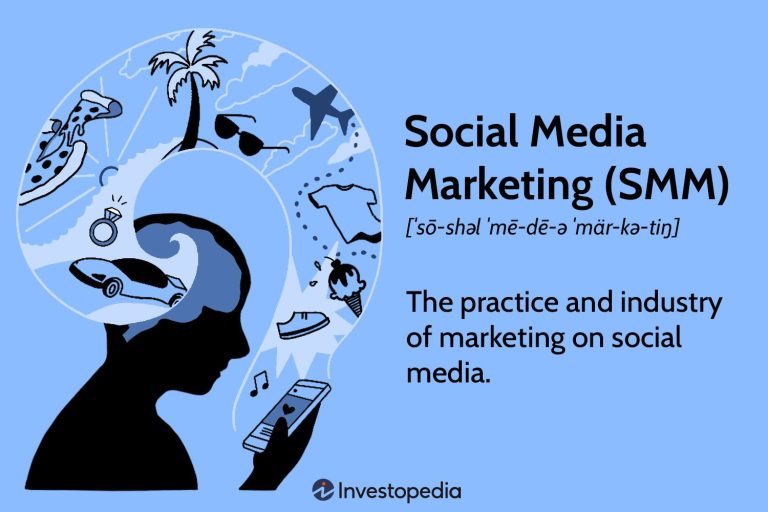
Even marketing has become more intelligent. AI-driven systems can segment audiences with extreme precision and deliver personalized advertisements that align with individual preferences. Instead of broad campaigns, businesses now run thousands of micro-campaigns targeting specific user groups. This improves conversion rates while reducing marketing waste.
The key shift here is automation with intelligence. AI is not just replacing manual tasks; it is enhancing decision-making speed and accuracy. Businesses that integrate these systems are able to respond to market changes faster than competitors, creating a significant advantage in global markets.
The Role of Data in Creating Personalized Global Shopping Experiences
Data is the backbone of modern shopping experiences. Every click, search, purchase, and review contributes to a growing dataset that helps businesses understand customer behavior at a granular level. This data is not just collected; it is actively used to shape the entire shopping journey.
Personalization is the most visible outcome of this data-driven approach. Customers today expect platforms to understand their preferences without needing to repeatedly specify them. Whether it is suggesting clothing styles based on past purchases or recommending groceries based on dietary habits, personalization is becoming a standard expectation rather than a premium feature.
On a global scale, data also helps businesses adapt to regional differences. Shopping behavior in different countries varies significantly due to cultural preferences, income levels, and local trends. Data analytics allows businesses to tailor their offerings to each market without needing entirely separate systems. This is especially important for global e-commerce platforms that serve millions of customers across diverse regions.
Another important role of data is in improving trust and transparency. Customer reviews, ratings, and feedback systems are now deeply integrated into purchasing decisions. Businesses analyze this feedback not only to improve products but also to identify gaps in customer satisfaction. Negative feedback is no longer seen as a problem alone but as a valuable data source for improvement.
Real-time analytics is also changing how businesses operate day to day. Managers can now see live dashboards showing sales performance, website traffic, conversion rates, and customer behavior trends. This allows for quick adjustments in pricing, marketing, and inventory management without waiting for monthly reports.
Data security and privacy have also become critical global concerns. As businesses collect more information, regulations and customer awareness around data usage are increasing. Companies must balance personalization with ethical data handling, ensuring transparency in how information is collected and used. Trust is becoming a competitive advantage in itself.
The combination of AI and data is creating a retail environment that is constantly learning and evolving. Shopping is no longer a static process but a dynamic experience that adapts to each individual in real time. Businesses that understand and responsibly use this power are shaping the future of global commerce, where every customer feels like the system was designed specifically for them.