
Starting a shopping-based business in 2026 is very different from what it was even a few years ago. Earlier, a shop was mostly dependent on location, foot traffic, and word-of-mouth. Now, the entire structure of shopping has shifted into a blended system where physical retail, online platforms, social media discovery, and instant delivery systems all work together.
A shopping-based business today can mean a physical retail shop, an e-commerce store, a hyperlocal delivery store, or even a hybrid model that combines offline presence with digital channels. The key change is that customers no longer discover products in one place and buy in another. They move across Instagram, Google search, WhatsApp catalogs, marketplace apps, and local stores before making a purchase decision.
Technology has become the foundation of this shift. Even a small shop in a town can now compete with large brands if it uses the right digital tools. Inventory management systems, AI-based product recommendations, digital payment systems, and automated marketing tools are now accessible even at a low cost. This levels the playing field significantly.
Consumer behavior in 2026 is also highly convenience-driven. People expect fast delivery, easy returns, transparent pricing, and instant communication. A successful shopping-based business must therefore design its entire system around speed and trust. Trust is not built only through product quality anymore but also through online reviews, social proof, and consistent digital presence.
Another major shift is the rise of micro-niche businesses. Instead of selling everything, many successful businesses focus on a very specific category such as organic groceries, handmade decor, sustainable fashion, or customized gifts. This allows them to build a strong identity and attract a loyal customer base rather than competing in a crowded general market.
Understanding this landscape is the first step because it defines everything that follows. Without adapting to these changes, even a well-funded business can struggle to survive.
Building the Foundation: Choosing Products, Supply Chain, and Business Model
The success of a shopping-based business depends heavily on what is being sold and how efficiently it reaches the customer. Product selection is no longer just about demand; it is about long-term sustainability, competition level, and digital visibility. A product that performs well in physical stores may not necessarily perform well online unless it has strong visual appeal or solves a clear problem.
In 2026, many new businesses begin with supplier-first thinking rather than product-first thinking. This means identifying reliable suppliers, manufacturers, or wholesalers first and then designing a product catalog based on what can be consistently sourced. This reduces risk and avoids stock shortages or quality inconsistency, which are major reasons small businesses fail.
The supply chain itself has become more flexible. Dropshipping, local warehousing, and on-demand manufacturing are widely used models. A dropshipping setup allows a business to sell products without holding inventory, while local warehousing helps reduce delivery time in urban areas. On-demand manufacturing is becoming popular for customized products where items are produced only after an order is placed.
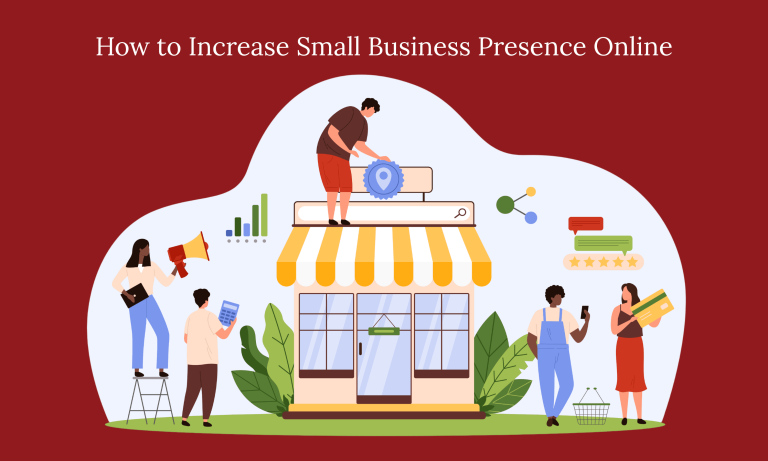
Choosing the right business model is equally important. A pure offline shop depends heavily on local traffic, while a pure online store depends on digital marketing strength. The hybrid model, which combines both, is becoming the most stable option. In this model, a physical store acts as a trust-building point while online platforms drive discovery and sales.
Pricing strategy also plays a major role in foundation building. In modern shopping businesses, pricing is not just cost-plus profit. It includes psychological pricing, competitor benchmarking, and value perception. Customers often compare prices across platforms instantly, so businesses must ensure consistency while still maintaining healthy margins.
Another critical element is branding. Even small businesses are now expected to behave like digital brands. A name, logo, packaging style, and tone of communication all influence buying decisions. Customers are more likely to buy from a business that looks professional and consistent, even if it is small in size.
At this stage, legal setup also matters. Registering the business, obtaining GST where applicable, and ensuring compliance with local trade regulations builds long-term stability. Many businesses ignore this step initially and face problems when scaling.
Using Technology, Marketing, and Customer Experience to Scale
Technology is the engine that turns a small shopping-based business into a scalable system. In 2026, digital tools are not optional; they are essential for survival. Even the simplest tools like digital payment systems, online catalogs, and automated order tracking can significantly improve customer experience.
One of the most important technological elements is the online storefront. This could be a website, a marketplace listing, or a social commerce page. Customers expect to see product details, images, pricing, and reviews instantly. A slow or incomplete online presence often leads to lost sales.
Artificial intelligence is also playing a growing role. Many small businesses now use AI tools for product descriptions, ad creation, customer chat support, and even demand forecasting. These tools reduce manual workload and improve efficiency. For example, AI-based analytics can show which products are likely to sell more in a specific season or region.
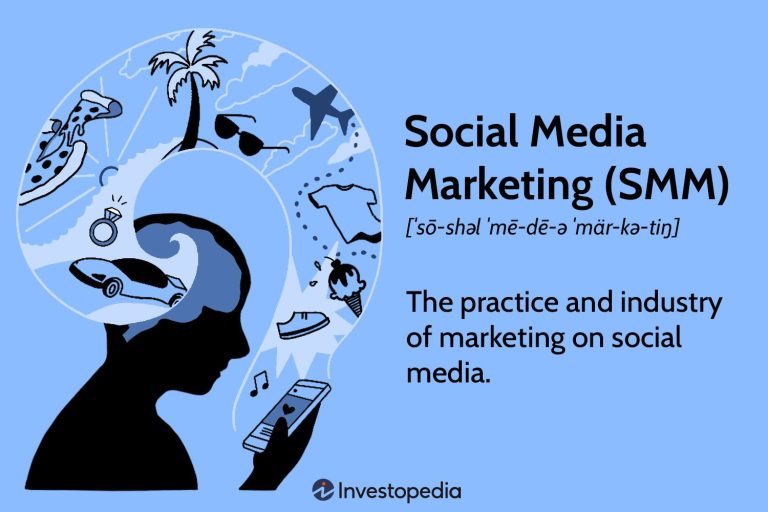
Marketing has also become deeply digital and highly personalized. Social media platforms like Instagram, Facebook, and short-video apps are primary discovery channels for shopping businesses. Instead of traditional advertisements, businesses now rely on content-driven marketing where they showcase product usage, customer stories, and behind-the-scenes processes.
Search engine visibility is another major factor. Customers often search for products or nearby stores before buying. Businesses that optimize their content for search engines gain consistent organic traffic without heavy advertising costs. This is especially powerful for small businesses with limited budgets.
Customer experience is now the strongest differentiator. Fast response times, easy returns, personalized recommendations, and clear communication define success. Many businesses use WhatsApp automation or chat systems to handle customer queries instantly. This reduces friction and increases trust.
Delivery systems have also evolved. Even small businesses can integrate with local delivery partners or logistics aggregators to offer same-day or next-day delivery. This creates an expectation of speed that directly influences purchasing decisions.
Another important aspect is data tracking. Businesses now monitor customer behavior, product performance, and marketing effectiveness through dashboards. This helps in making informed decisions rather than relying on guesswork. Over time, this data-driven approach significantly improves profitability and reduces waste.
Scaling a shopping-based business in 2026 is not just about increasing sales volume. It is about building systems that can handle growth without losing quality. Businesses that invest in automation, digital presence, and customer experience from the beginning are the ones that expand successfully and sustainably.