
The rise of hyperlocal shopping apps has quietly reshaped how people buy everyday essentials and how small retailers operate. These platforms focus on extremely short delivery distances—often within a few kilometers—connecting nearby stores with customers who want fast access to products without waiting for traditional e-commerce shipping times.
Unlike global online marketplaces that ship products from warehouses far away, hyperlocal systems depend on existing neighborhood stores. A customer places an order on an app, and the system routes it to the nearest available shop. The retailer packs the order, and a delivery partner completes the last-mile delivery, sometimes within minutes or a few hours. This model has fundamentally changed the role of small retail stores, turning them into micro-fulfillment centers for digital demand.
This shift is not just about convenience. It reflects a deeper change in consumer behavior. People increasingly expect instant gratification in shopping. Whether it is groceries, medicines, snacks, or daily household items, waiting multiple days for delivery is no longer acceptable for many urban and semi-urban consumers. Hyperlocal apps have filled this gap by combining the speed of physical stores with the convenience of digital ordering.
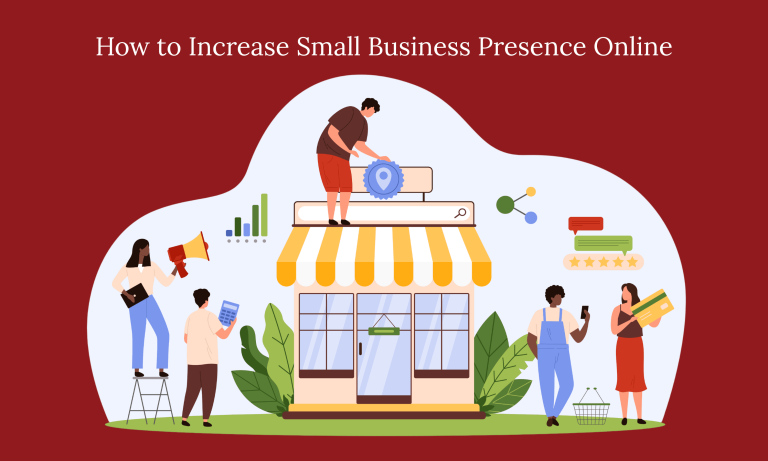
For small retailers, this ecosystem creates both opportunity and pressure. It opens up a new channel of demand but also changes how competition works. A shop is no longer competing only with nearby stores but also with other retailers listed on the same app within the delivery radius. Visibility becomes digital rather than physical.
At the same time, the data-driven nature of these platforms is transforming how demand is understood. Retailers are no longer guessing what customers want based on foot traffic alone. Instead, they can see real-time demand patterns, popular products, peak ordering hours, and seasonal trends directly through app dashboards. This level of insight was previously unavailable to most small shop owners.
The rise of hyperlocal commerce is also tied to improvements in logistics infrastructure. Affordable delivery networks, optimized routing systems, and gig-based delivery workforces have made it possible to fulfill thousands of small orders efficiently. Without these systems, the hyperlocal model would not be economically viable.
In many ways, hyperlocal apps are not replacing small retailers—they are reorganizing them into a connected digital network. Each store becomes part of a larger system where location, availability, and speed determine success.
How Technology Powers Hyperlocal Retail Ecosystems
The backbone of hyperlocal shopping apps is a combination of real-time data processing, geolocation technology, and automated logistics coordination. Every order placed triggers a complex sequence of actions that happens in seconds: identifying the nearest store, checking product availability, assigning a delivery partner, and optimizing the fastest route.
Geolocation systems are central to this process. They allow platforms to map customers and stores with precision, ensuring that orders are routed efficiently. This reduces delivery time and improves accuracy in fulfillment. The closer the match between supply and demand locations, the more efficient the system becomes.
Inventory synchronization is another critical technological layer. Many small retailers now integrate their stock data directly into these platforms. This ensures that customers only see products that are actually available, reducing cancellations and improving trust. In more advanced setups, inventory updates happen in real time as sales occur both in-store and online.
Artificial intelligence plays a growing role in demand prediction and recommendation systems. By analyzing past purchases, time of day, weather conditions, and local events, AI systems can predict what products are likely to be in demand in specific neighborhoods. This helps retailers prepare stock more efficiently and reduces wastage, especially for perishable goods.
Payment systems have also become fully integrated. Customers can pay through digital wallets, UPI systems, or cards within the app, while retailers receive automated settlements. This reduces cash handling and simplifies accounting. It also improves transparency between platforms, retailers, and customers.
Delivery optimization algorithms are another major innovation. These systems group multiple orders, optimize delivery routes, and reduce travel time for delivery partners. This ensures that even with high order volumes, delivery remains fast and cost-effective. Without such optimization, hyperlocal models would struggle to scale.
Customer feedback systems are also deeply embedded in these platforms. Ratings, reviews, and service feedback directly influence store visibility. Retailers with better ratings often receive more orders, creating a performance-based ecosystem where service quality becomes a key competitive factor.
Technology also reduces barriers for small retailers. Even shops with minimal technical knowledge can join these platforms and start receiving online orders without building their own digital infrastructure. The platform handles discovery, payment, logistics, and customer interface, allowing retailers to focus on inventory and service.
The Impact on Small Retailers and the Future of Local Shopping
The impact of hyperlocal shopping apps on small retailers is both transformative and complex. On one hand, these platforms provide access to a much larger customer base without requiring significant investment. A small neighborhood store can suddenly serve hundreds or thousands of digital customers beyond its physical walk-in traffic.
This expansion of reach creates new revenue opportunities. Many retailers experience increased sales simply by being listed on hyperlocal platforms, especially during peak demand periods like evenings, weekends, or festivals. The ability to receive orders continuously, even outside store hours, changes the traditional limitations of retail.
However, this shift also introduces new forms of competition. Retailers are now ranked within apps based on price, delivery speed, availability, and customer ratings. This means that visibility is no longer guaranteed by location alone. A store must perform consistently well to maintain its position in search results within the platform.
Profit margins can also be affected. Platforms often charge commissions or service fees, which reduce per-order earnings. Retailers must balance increased volume with lower margins, making efficiency and inventory management more important than ever. Those who fail to adapt may find it difficult to maintain profitability despite higher sales.
Customer expectations have also changed significantly. Fast delivery is now a baseline requirement rather than a premium feature. Retailers must ensure that orders are packed quickly and accurately to avoid delays and negative ratings. Even small mistakes can affect visibility and future order flow.
Despite these challenges, hyperlocal systems are creating a more structured retail environment. Small shops that once operated informally are now part of a data-driven ecosystem. This brings transparency, predictability, and scalability that were previously unavailable.
The future of hyperlocal shopping is likely to move toward deeper integration with artificial intelligence, automated warehouses, and predictive stocking systems. Retailers may receive suggestions on what to stock based on local demand forecasts, reducing guesswork and improving efficiency.
At the same time, physical stores will continue to play an important role. They are not disappearing but evolving into hybrid spaces that serve both walk-in customers and digital orders simultaneously. The most successful retailers will be those who can balance both worlds effectively.
Hyperlocal shopping apps represent a major shift in how local commerce operates. They are not just delivery platforms but infrastructure layers that connect customers, retailers, and logistics into a unified system. For small retailers, this marks the beginning of a new era where location is still important, but intelligence, speed, and adaptability define long-term success.