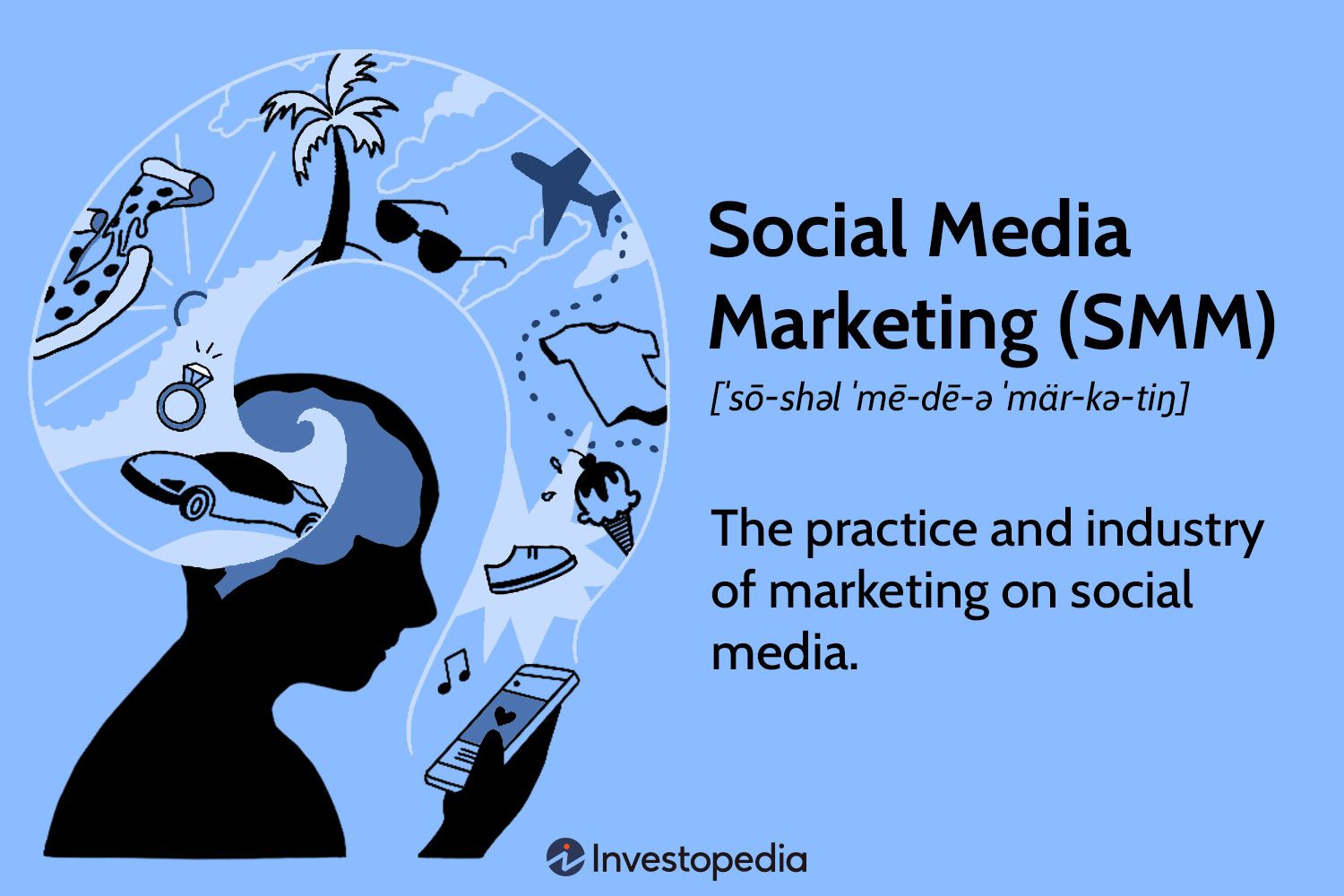

Marketing for small shopping businesses has changed more in the last few years than in the previous few decades combined. Traditional advertising methods like flyers, newspaper ads, and local banners still exist, but they no longer drive consistent customer growth. In 2026, social media has become the primary discovery channel for products, brands, and even local shops.
The biggest advantage social media offers is access. A small business with no budget can still reach thousands of potential customers simply by creating useful, engaging, or visually appealing content. Unlike traditional advertising, where reach is purchased, social media rewards relevance and consistency. This means creativity often matters more than money.
Another major shift is how customers behave. People now discover shopping ideas while scrolling through content rather than actively searching for them. A customer may not intend to buy something, but a well-made post, short video, or product demonstration can influence immediate interest. This passive discovery model is extremely powerful for small businesses because it reduces dependence on paid ads.
Social media platforms also create trust faster than many traditional channels. Customers can see real photos, videos, reviews, and interactions from other users. This transparency helps small businesses build credibility without needing a physical presence in multiple locations.
For shopping businesses, social media is no longer just a marketing tool—it is a full sales ecosystem. It drives awareness, builds trust, generates leads, and often completes the sale directly through messaging or integrated shopping features.
Building Visibility with Organic Content Instead of Paid Advertising
One of the most important advantages for small shopping businesses is that organic content can still generate strong results without spending money on ads. Organic marketing focuses on creating content that naturally attracts attention and engagement over time.
Short-form videos are one of the most effective formats. Platforms today prioritize quick, engaging content that shows products in real-life use. A simple demonstration of how a product works, how it solves a problem, or how it looks in different settings can significantly increase interest. These videos do not require professional production; authenticity often performs better than polished advertisements.
Product storytelling is another powerful strategy. Instead of simply listing features, businesses can show how a product fits into everyday life. For example, a kitchen item can be shown in use during cooking, or a fashion item can be styled in different ways. This helps customers visualize ownership, which increases purchase intent.
Consistency plays a critical role in organic growth. Businesses that post regularly tend to perform better than those that post occasionally, even if individual content quality is similar. Algorithms on most platforms reward active accounts by increasing visibility.
Hashtags, captions, and keywords also contribute to discoverability. While they are not the main growth driver, they help categorize content and connect it with relevant audiences. A well-structured post increases the chances of being shown to users who are already interested in similar products.
Engagement is another key factor. Responding to comments, replying to messages, and interacting with followers helps build a sense of community. Social media is not just a broadcasting tool; it is a two-way communication channel. Businesses that actively engage with their audience tend to build stronger loyalty over time.
User-generated content is also becoming increasingly important. When customers share their experiences with a product, it creates authentic social proof. Small businesses can encourage this by featuring customer photos, sharing reviews, or reposting user content. This builds trust without additional marketing costs.
The strength of organic marketing lies in its long-term value. Unlike paid ads that stop working once the budget ends, organic content continues to attract attention over time, creating a compounding effect.
Converting Social Media Engagement into Real Sales Growth
While visibility and engagement are important, the ultimate goal of social media marketing is conversion—turning interest into actual sales. For small shopping businesses, this process is often simpler and more direct than in large corporate systems.
Messaging platforms play a major role in conversion. Many businesses use direct messaging channels to handle inquiries, confirm orders, and provide product details. This creates a personal interaction that helps reduce hesitation and build trust before purchase.
Clear product information is essential during this stage. Customers who engage through social media expect quick responses, accurate pricing, and clear availability updates. Delays or unclear communication can lead to lost sales, especially when competitors are just a click away.
Social proof is one of the strongest conversion drivers. Reviews, testimonials, and customer photos influence buying decisions more than traditional advertisements. When potential buyers see others using and enjoying a product, it reduces uncertainty and increases confidence.
Limited-time offers and urgency-based messaging also help improve conversions. However, this must be used carefully. Overuse can reduce trust, but occasional offers or seasonal promotions can encourage faster decision-making.
Integration between social media and online stores has made conversions smoother. Many platforms now allow direct shopping through posts, links, or embedded product catalogs. This reduces friction and allows customers to move from discovery to purchase without leaving the platform.
Live selling and interactive sessions are also gaining popularity. Businesses can showcase products in real time, answer questions, and close sales during the interaction. This format creates a sense of immediacy and personal connection that traditional online listings cannot replicate.
Analytics tools help track which content leads to actual sales. Small businesses can now understand what type of posts generate inquiries, which products receive the most attention, and what times are best for engagement. This data-driven approach helps refine strategy over time.
Over time, social media marketing becomes a self-reinforcing system. Content brings attention, engagement builds trust, and trust leads to sales. Successful businesses continuously improve this cycle by learning from customer behavior and adapting their content accordingly.
Low-cost marketing is not about doing less; it is about doing smarter. Social media allows small shopping businesses to compete with larger brands by focusing on creativity, authenticity, and direct customer connection rather than large advertising budgets.